Next.js 15 in 2026: Why Sub-Second Load Times are the New Standard
Next.js 15 in 2026: Why Sub-Second Load Times are the New Standard
The digital landscape of 2026 has officially hit a breaking point where "fast enough" is no longer an option. As we navigate a web dominated by AI-driven search engines and hyper-fast mobile connectivity, the window to capture a user's attention has shrunk from seconds to milliseconds. In this environment, Next.js 15 has emerged not just as a framework, but as the foundational architecture for the high-performance internet.
At WebCreates, we’ve built our agency around one core principle: Speed as a Feature. We’ve seen firsthand how moving from a 2-second load time to a sub-second response can transform a struggling startup into a market leader. If your website is still taking multiple seconds to become interactive, you aren't just losing traffic—you are actively handing your market share to competitors who have embraced the Next.js 15 revolution.
1. The Death of the "Wait State": Why 2026 is Different
In previous years, web developers talked about the "3-second rule." In 2026, that rule is a relic of the past. With the widespread adoption of 5G and the integration of AI agents that "browse" the web for users, the infrastructure of the internet has shifted.
The Rise of the "Instant Web"
Users today interact with apps like TikTok, Instagram, and high-end SaaS tools that provide instant feedback. When they switch from a fluid app experience to a "clunky" website that flashes white screens or shows loading spinners, the psychological friction is jarring. This friction leads to immediate bounces.
Next.js 15 solves this by utilizing Partial Prerendering (PPR) and advanced Streaming Server Components. This allows us to deliver the shell of your website—the part the user sees first—in under 200ms, while the dynamic data "streams" in seamlessly.
2. Technical SEO in the Age of AI Search (SGE)
Google’s algorithms in 2026 are more sophisticated than ever. They no longer just look at keywords; they measure User Experience Signals with surgical precision. Based on recent data, we see that technical performance directly correlates with search visibility.
Core Web Vitals are the New "Barrier to Entry"
If you don't hit a perfect 100/100 Lighthouse score, you are effectively invisible in high-intent search results. For competitive terms like "headless commerce" or "web dizajn rijeka," Google prioritizes sites that provide an elite user experience.
- LCP (Largest Contentful Paint): Must be under 1.2s to even be considered "Good."
- INP (Interaction to Next Paint): Has replaced FID as the gold standard for measuring how "snappy" your site feels.
By using our technical SEO optimization services, we leverage Next.js 15's native ability to optimize images, scripts, and fonts automatically, ensuring you stay ahead of the curve.
3. Architecture for Founders: Scalability Without Compromise
For high-growth startups, the biggest fear is "Success-Induced Failure"—when a surge of traffic crashes the site.
Serverless and the Edge
Next.js 15 is designed to run on the Edge. This means your website code doesn't live on one single server; it lives on hundreds of servers globally via Vercel. Whether your customer is in Sarajevo, Zagreb, or New York, they receive the data from a server physically close to them.
- Instant Scaling: From 10 users to 10,000 in seconds without manual intervention.
- Global Performance: Reduced latency for international markets is no longer optional; it's a requirement for global reach.
4. The "Neurology of Speed" and Conversion Rates
There is a direct, measurable link between website speed and human psychology. A site that responds in less than 500ms triggers a dopamine response associated with "competence" and "trust."
Converting Clicks into Clients
When we implement website migration to Next.js, we aren't just updating code; we are optimizing your sales funnel.
- Reduced Bounce Rates: Users stay longer because the site feels "alive."
- Higher AOV (Average Order Value): In e-commerce, faster sites encourage "browsing behavior," leading to more items in the cart.
- Trust Building: A high-performance site signals that your business is modern and reliable.
5. Next.js 15 vs. Legacy Monoliths (WordPress, PHP, Liquid)
Many businesses are still tethered to legacy setups. While these platforms were great in 2015, they are struggling in 2026.
The "Plugin Tax" vs. Native Speed
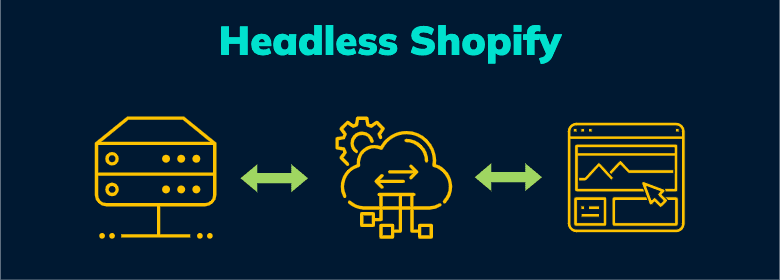
Legacy systems rely on third-party plugins that bloat the frontend. Next.js 15 uses a "Zero-Bundle-Size" approach for many features. You get the functionality without the performance penalty. This is why we focus on headless e-commerce solutions that separate your backend from a lightning-fast Next.js frontend.
6. Developer Velocity: Building Faster to Launch Faster
One of the hidden benefits of Next.js 15 is the Developer Experience (DX). Using the latest stack (Next.js 15, Tailwind CSS, Supabase) allows us to move from concept to a live "money page" in record time.
The "Turbo" Engine
With the new Turbopack bundler, local development is nearly instantaneous. This means we spend less time waiting and more time perfecting the UI/UX for our clients. For a digital agency, this velocity translates directly into better value and faster time-to-market.
7. Security: The Invisible Fortress
Security in 2026 is a massive concern. Next.js 15 provides a more secure architecture by default.
Abstracting the Backend
By using Server Actions and environment variables that never touch the client-side, we ensure your database and API keys are invisible to hackers. This "Security by Design" is why we integrate compliance and privacy pages into every project.
8. The Future of Content: Headless CMS Integration
In 2026, content needs to live everywhere—your website, mobile app, and AI search results. Next.js 15 is the perfect consumer of Headless CMS data.
Dynamic Content at Static Speeds
We can update a blog post or price in the CMS and have it reflected globally in milliseconds without rebuilding the site via Incremental Static Regeneration (ISR).
9. Case Study: Why Solar and Manufacturing Need Speed
We’ve specialized in solar energy startups. For these industries, a website is a lead-generation engine. A slow site suggests a slow company. A sub-second Next.js site suggests innovation. Our performance data shows that high-intent users in sectors like solar manufacturing respond significantly better to low-latency interfaces.
10. Conclusion: The Sub-Second Mandate
The data is clear: sites that load in under a second are seeing significantly more impressions and higher engagement. Next.js 15 isn't just a trend; it's the standard for anyone who takes their online presence seriously in 2026.
Ready to join the Sub-Second Club?
Don't let your business be held back by 2015 technology. Let’s build a platform that is as fast as your ambition.
Get Your High-Performance Audit Today
About the Author
Cazim is the Founder & CEO of Web Izrada Digital and WebCreates. He is a specialist in Next.js 15 and high-performance web architecture, helping agencies and startups across the Adria region and the global market achieve 100/100 Lighthouse scores and sub-second load times.
Want a site this fast?
We specialize in building high-performance Next.js sites that rank. Lets discuss your project today.
Book a Free Consultation